|
8/15 |  |
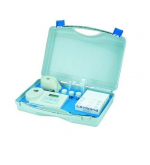
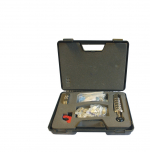
Compact PC Checkit 3 Photometer


Compact PC Checkit 3 Photometer
Description
Measured using photometric tablets Read more
-
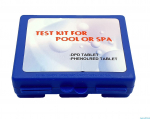
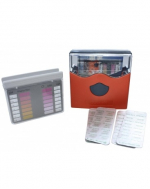
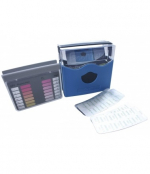
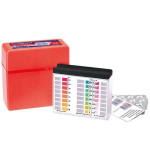
Compact Photometer PC Checkit 3
- measurement is performed using photometric tablets
- measures free and total chlorine
- chlorine: 0.05 - 6.0 g / m3
- pH: 6.8 - 8.2
- cyanuric acid: 0 - 80.0 g / m3
Free chlorine is the most effective form of chlorine present in water. It is released by dissolving chlorine-based disinfecting products. Its value should be maintained in the range of 0.3-0.6 mg / l. If the water temperature in the pool exceeds 28 ° C, maintain the chlorine concentration in the range of 0.6-1.2 mg / l. At a concentration of up to 3 mg / l, it is not irritating to the human body. Only when it reacts with organic impurities (sweat, urine) does another form of chlorine arise - combined chlorine, which smells unpleasant and irritates the eyes, skin, and mucous membranes. The concentration of free chlorine is measured using a high-quality tester (tablets or drops) using the DPD1 method.
The pH value of water expresses the degree of acidity or alkalinity of a chemical substance. The ideal value for pools is 6.8 - 8.2. A pH higher than 8.2 leads to the formation of various mineral cloudiness and the buildup of limescale and other deposits. A pH lower than 6.8 causes corrosion of metal surfaces. The pH value affects the solubility and effectiveness of the disinfecting products used.
Cyanuric acid is used as a UV stabilizer that protects chlorine against decomposition by ultraviolet radiation. The ideal value is 15–20 ppm (mg/l). If the water is overdosed with cyanuric acid, normal chlorine concentrations in the water become ineffective. Cyanuric acid can only be removed by draining the pool and refilling it with fresh water, i.e. by dilution.
-
Related products
Price incl. VAT: 7,00 GBPAvailability:
Price incl. VAT: 14,00 GBPAvailability:
Price incl. VAT: 14,00 GBPAvailability:
Price incl. VAT: 14,00 GBPAvailability:
Price incl. VAT: 18,00 GBPAvailability:
Price incl. VAT: 20,00 GBPAvailability:
Price incl. VAT: 61,00 GBPAvailability:Extra zľava
Price incl. VAT: 800,00 GBPAvailability: