|
2/10 |  |
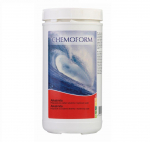
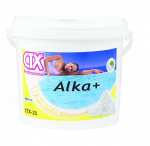
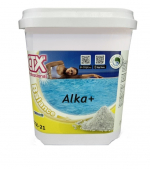
PROFIPOOL Alkalinity+ 1 kg, granules, increases alkalinity


PROFIPOOL Alkalinity+ 1 kg, granules, increases alkalinity
Description
Serves to stabilize pH, increases the effectiveness of chlorine, and is also used in chlorine-free treatments. Read more-
PROFIPOOL Alkalita+ 1 kg, granules, increases alkalinity
Alkalinity is used to stabilize pH and reduce pH consumption. It increases the effectiveness of chlorine. It is also used in chlorine-free water treatment.
Due to the use of water heating systems and disinfectants, the water alkalinity may decrease, which can subsequently cause pH fluctuations. The recommended pool water alkalinity is 80–175 g/m3 CaCO3.It represents the sum of basic substances dissolved in water that prevent sudden changes in pH. The optimal value of total alkalinity ranges from 80 to 120 mg/l. It affects disinfection efficiency, pH adjustment, the formation of precipitates from various water components, and corrosion of metal parts.
If the total alkalinity (CA) is too high, the pH is usually too high as well, and it also shows a high degree of stability — it has so-called strong buffering capacity. If CA is too low, the pH is unstable and experiences very large and frequent fluctuations.
The most interesting component is the bicarbonate anion, because it can release one hydrogen atom (in which case it behaves as an acid), but it can also accept one hydrogen atom (behaving as a base). The bicarbonate anion can therefore neutralize both the addition of acid and the addition of base, so no change in pH occurs.
Excessively high total alkalinity is therefore caused by a high content of bicarbonate anions. Water with high CA has a strong neutralizing capacity, and it is very difficult to change its pH. First, the bicarbonate anions present in the water must be consumed and neutralized, and only then will the pH begin to change. Water with high CA usually also has a high pH, which is difficult to lower. In such a case, acid consumption rises significantly, as does disinfectant consumption, because, as mentioned above, chlorine effectiveness drops significantly at higher pH.
Too low total alkalinity means that there are too few bicarbonate ions in the water. Then even a very small dose of the appropriate product is enough to cause a very rapid decrease or increase in pH. Under our conditions, the optimal value of total alkalinity ranges between 80 and 120 mg/l in the form of CaCO3 (calcium carbonate).
-
Related products
In stock
Price incl. VAT: 6,00 GBPAvailability:In stock
Price incl. VAT: 13,00 GBPAvailability:In stock
Price incl. VAT: 19,00 GBPAvailability:
Price incl. VAT: 31,00 GBPAvailability:
Price incl. VAT: 165,00 GBPAvailability:
Price incl. VAT: 33,00 GBPAvailability:
Price incl. VAT: 42,00 GBPAvailability:
Price incl. VAT: 38,00 GBPAvailability: